在留資格取得
在留資格は目的ごとに区分されており、資格により必要書類が変わります。
Status of residence in Japan is categorized according to the purpose of stay, and the required documents vary depending on the type of status.
技術・人文知識・国際業務(技人国)
Engineer / Specialist in Humanities / International Services
外国籍の方が知識や経験を活かし、日本で専門的な仕事をするために必要となるビザ 在留資格が「技術・人文知識・国際業務」です。
The Engineer / Specialist in Humanities / International Services status of residence is required for foreign nationals who wish to use their knowledge and experience to engage in professional work in Japan.
対象分野
Eligible Fields
その仕事が専門的な内容である必要があります。 通訳・翻訳、営業、経理、プログラマー、デザイナーなどが代表的な例です。 一方で、工場のライン作業や飲食店のホール、清掃などの専門性の判断が難しい業務については対象外とされています。
The work must involve specialized knowledge or skills. Typical examples include interpretation and translation, sales, accounting, programming, and design.
On the other hand, jobs that are generally considered less specialized, such as factory line work, restaurant serving, and cleaning, are not eligible under this status of residence.
業務能力
Required Skills
その仕事を行うための学歴や経験が求められます。
・大学で関連分野を学んで卒業している
・日本の専門学校(専門士・高度専門士)を修了している
・10年以上の実務経験がある
・ITの国家資格を持っている
といったいずれかの条件を満たす必要があります。
Applicants are required to have relevant educational qualifications or work experience for the job they intend to perform.
You must meet at least one of the following requirements:
・Have graduated from a university after studying a relevant field
・Have completed a professional training college in Japan and obtained the title of Senmonshi or Kodo Senmonshi
・Have at least 10 years of relevant work experience
・Hold a recognized national IT qualification
継続性・安定性
Continuity and Stability
働く環境が安定しているかどうかも審査対象です。 会社の経営が安定しているか、仕事が継続しそうか、その外国人が日本で安定して生活できるかといった点が確認されます。
The stability of the employment environment is also considered during the screening process.
The authorities may consider factors such as whether the company is financially stable, whether the employment is expected to continue, and whether the foreign national is able to maintain a stable life in Japan.


経営・管理
Business Manager
外国籍の方が日本で事業を行うためには、会社を設立するだけでは足りず、「経営・管理」という在留資格を取得する必要があります。 この在留資格は、事業の実態や資金、事務所の確保など、さまざまな要件を満たす必要があり、2025年の法改正により審査基準が大幅に厳格化されました。
会社設立、必要な許認可の取得、在留資格の申請といった段階的な手続が必要となります。 海外在住の場合は「在留資格認定証明書交付申請」を、日本在住で別の在留資格を持つ場合は「在留資格変更許可申請」を行います。
Foreign nationals who wish to operate a business in Japan generally need to obtain the Business Manager status of residence; establishing a company alone is not sufficient.
This status of residence requires applicants to meet various requirements, including requirements concerning the actual operation of the business, sufficient funding, and securing an appropriate business office. The screening requirements were significantly tightened following amendments to the relevant laws in 2025.
The process generally involves several steps, including establishing the company, obtaining any necessary licenses and permits, and applying for the appropriate status of residence.
If the applicant is residing outside Japan, they generally need to apply for a Certificate of Eligibility (COE). If the applicant is already residing in Japan under a different status of residence, they generally need to apply for Permission to Change Status of Residence.
資本金払込額
Required Capital
2025年の法改正により、資本金は3,000万円以上が必要となりました。 従来の500万円から大幅に引き上げられたため、資格取得には相当の準備が必要です。 また、事業内容・売上見込みなど、実現性のある事業計画の作成も求められます。 さらに、日本語能力(N2相当/CEFR B2)、常勤職員の確保、業種によっては許認可の取得も必要となります。
As a result of the 2025 legal amendments, capital of at least ¥30 million is required. This represents a significant increase from the previous requirement of ¥5 million, meaning that substantial preparation may be necessary to obtain this status of residence.
In addition, applicants are required to prepare a feasible business plan that demonstrates the viability of the business, including its business activities and projected sales.
Furthermore, requirements include Japanese language proficiency equivalent to JLPT N2 or CEFR B2, the employment of at least one full-time employee, and, depending on the type of business, obtaining the necessary licenses and permits.


特定技能
Specified Skilled Worker
特定技能は、人手不足が深刻な産業分野において、即戦力として働く外国人のためのビザ 在留資格です。
一定の技能水準と日本語能力を備えた方が対象となり、現場での実務を前提とした制度です。
The Specified Skilled Worker status of residence is designed for foreign nationals who work in industries facing serious labor shortages in Japan.
It is intended for individuals who have a certain level of skills and Japanese language ability, and the system is designed for practical work in the workplace.
対象分野
Eligible Fields
介護、農業、外食業、宿泊業、建設業に加え、 自動車運送業(トラックドライバー)が新たに対象分野に追加されました。
In addition to nursing care, agriculture, food service, accommodation, and construction, automobile transportation (truck driving) has also been added as a new field under the Specified Skilled Worker system.
特定技能1号
Specified Skilled Worker (i)
一定の技能水準を持つ外国人が、現場で働くための在留資格です。技能試験・日本語試験の合格が必要であり、家族帯同は原則できません。
在留期間は概ね1年・6か月・4か月で、適性が認められれば更新も可能です。
The Specified Skilled Worker (i) status of residence is for foreign nationals who have a certain level of skills and wish to work in practical, hands-on jobs in Japan.
Applicants are generally required to pass the relevant skills test and a Japanese language test. Family members are generally not permitted to accompany them under the Dependent status.
The period of stay is generally one year, six months, or four months, and the status can be renewed if the requirements are met. The total period of stay under Specified Skilled Worker (i) is generally limited to five years.
特定技能2号
Specified Skilled Worker (ii)
より高度な技能を持つ外国人向けの在留資格です。在留期間の更新が可能(長期滞在が前提)となり、家族帯同が許される場合もあります。対象分野は限定的ですが、今後、拡大される可能性あります。
The Specified Skilled Worker (ii) status of residence is for foreign nationals with a higher level of skilled expertise.
The status can be renewed without a limit on the number of renewals, allowing for long-term residence in Japan. Family members may also be allowed to accompany the worker, subject to certain requirements.
Although the number of eligible fields is currently limited, additional fields may be added in the future.
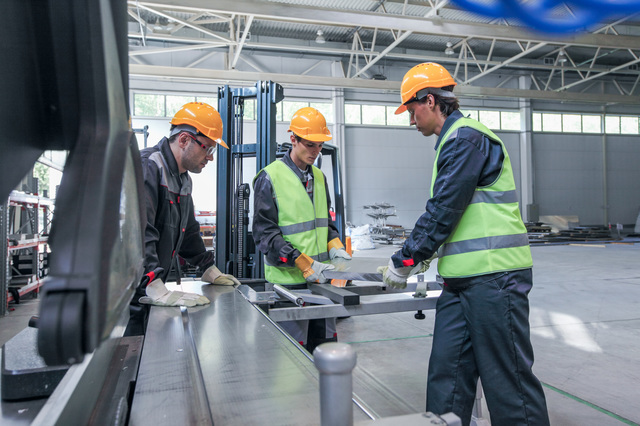

外国人運転手の雇用 / 特定技能制度の改正
Employment of Foreign Drivers
特定技能制度の改正により、運送業のドライバー分野でも在留資格が認められるようになりました。
在留資格の取得には一定の要件がありますが、前向きに学習する外国籍人材や、誠実に事業を運営する企業であれば、十分に達成可能な水準です。 これにより、慢性的な人手不足が続く運送業界において、人材確保の一助となることが期待されています。
Due to amendments to the Specified Skilled Worker system, foreign nationals can now obtain a status of residence to work as drivers in the transportation industry.
There are certain requirements for obtaining the status of residence. However, for foreign workers who are willing to learn and companies that operate their businesses responsibly, these requirements are considered achievable with proper preparation.
This system is expected to help secure human resources in the transportation industry, which continues to face a chronic labor shortage.
【企業側の要件】
特定技能(自動車運送業分野)で外国人材を雇用するためには、企業が一定の安全性や労働環境を整えていることが求められます。具体的には、「Gマーク(安全性優良事業所認定)」または「働きやすい職場認証制度(運転者職場環境良好度認証)」のいずれかの認証を取得している必要があります。
これらの制度は、運送事業者としての安全管理体制や職場環境の整備状況を評価するものであり、外国人材の受け入れにあたって重要な基準となります。
【日本語能力試験/特定技能評価試験】
Japanese-Language Proficiency Test (JLPT) / Specified Skilled Worker Skills Test
特定技能1号(自動車運送業分野)では、日本で生活し、職場で安全に業務を行うための日本語能力が求められます。原則として、国際交流基金日本語基礎テスト(JFT-Basic)または日本語能力試験(JLPT)N4以上の日本語力が必要とされています。
また、運送業務に必要な基礎知識を確認するため、貨物自動車運送分野の**特定技能評価試験(トラック)**に合格する必要があります。特定技能評価試験は、CBT(Computer Based Testing)方式またはペーパーテスト方式で実施されます。
For the Specified Skilled Worker (i) status of residence in the automobile transportation business field, foreign nationals are required to have sufficient Japanese language ability to live in Japan and perform their work safely.
In principle, applicants must pass either the Japan Foundation Test for Basic Japanese (JFT-Basic) or the Japanese-Language Proficiency Test (JLPT) N4 or higher.
Applicants must also pass the Specified Skilled Worker (i) Test for the Automobile Transportation Business Field (Truck) to demonstrate the basic knowledge and skills required for transportation work.
The skills test is conducted using either a CBT (Computer-Based Testing) system or a paper-based test.


日本人配偶者等/家族滞在
Spouse or Child of Japanese National /Dependent
日本人配偶者等
Spouse or Child of Japanese National
日本人と法的に有効な婚姻をしている場合、「日本人の配偶者等」として在留資格が認められることがあります。対象となるのは法律婚であり、内縁関係などの事実婚は含まれません。
また、日本人の実子については、出生時に父母のいずれかが日本国籍であれば対象となります。
If you are legally married to a Japanese national, you may be eligible to obtain the Spouse or Child of Japanese National status of residence. This applies to legally recognized marriages and does not include common-law or de facto relationships.
Children who are biological children of a Japanese national may also be eligible if either the father or mother was a Japanese national at the time of the child’s birth.
家族滞在
Dependent
教授、研究、教育、技術・人文知識・国際業務、経営管理、介護、技能、特定技能2号、留学(大学等)などの在留資格で在留している方は、一定の要件を満たすことで、配偶者や子に「家族滞在」の在留資格が認められる場合があります。
※特定技能1号・技能実習・短期滞在は家族滞在の対象外です。
Foreign nationals residing in Japan under statuses of residence such as Professor, Researcher, Instructor, Engineer / Specialist in Humanities / International Services, Business Manager, Nursing Care, Skilled Labor, Specified Skilled Worker (ii), or Student (at a university or other higher education institution) may be eligible to obtain the Dependent status of residence for their spouse or children if certain requirements are met.
Note: The Dependent status of residence is generally not available to family members of those holding Specified Skilled Worker (i), Technical Intern Training, or Temporary Visitor status.
【Learn more about the Types of Status of Residence in Japan.】
Community Group
We have started a friendly community where you can ask questions about visas and status of residence in Japan.
You can also ask about everyday life in Japan, local rules, and other things you may be wondering about—not just visas and immigration.
“It’s not serious enough to ask a professional, but I’m curious about it.”
“I’d just like to ask someone.”
If you are living in Japan, planning to live in Japan, or simply interested in life in Japan, please feel free to join our community.
Join our Facebook Community ↓